

Discovering the World of Millets: A Guide to Types of Millets and Their Health Benefits
1.1 What are Millets?
Millets are a group of small-grained cereals that belong to the grass family, and they’re packed with nutrition. These ancient grains have been cultivated for thousands of years, especially in Asia and Africa. They are hearty, drought-resistant crops, making them ideal for hot and dry climates. Nutritionally, millets are a fantastic option compared to more common grains like wheat and rice. They typically boast higher levels of fiber, protein, and essential minerals, which makes them a valuable addition to any diet.
Millets are classified into two categories
- Major Millets: Widely cultivated and consumed
- Minor Millets: Grown in smaller quantities but equally nutritious
1.2 The Importance of Millets in Agriculture
Millets play a crucial role in sustainable agriculture. Their ability to thrive in less-than-ideal soil conditions and their low water requirements make them an excellent choice for farmers, especially in regions facing climate change. Additionally, they help improve food security by diversifying the crops available to communities. However, millet cultivation is threatened by the rise of monoculture farming practices and a growing preference for mainstream grains, putting biodiversity at risk.
1.3 The Rising Popularity of Millets
Recently, millets have caught the attention of health enthusiasts around the globe. With the shift towards more health-conscious eating and the quest for gluten-free diets, these nutritious grains are finding their way into modern recipes and cuisines. The food industry is buzzing with innovative millet-based products, from snacks to flours, allowing consumers to enjoy millets in various forms.
2. Major Types of Millets
2.1 Pearl Millet (Bajra)
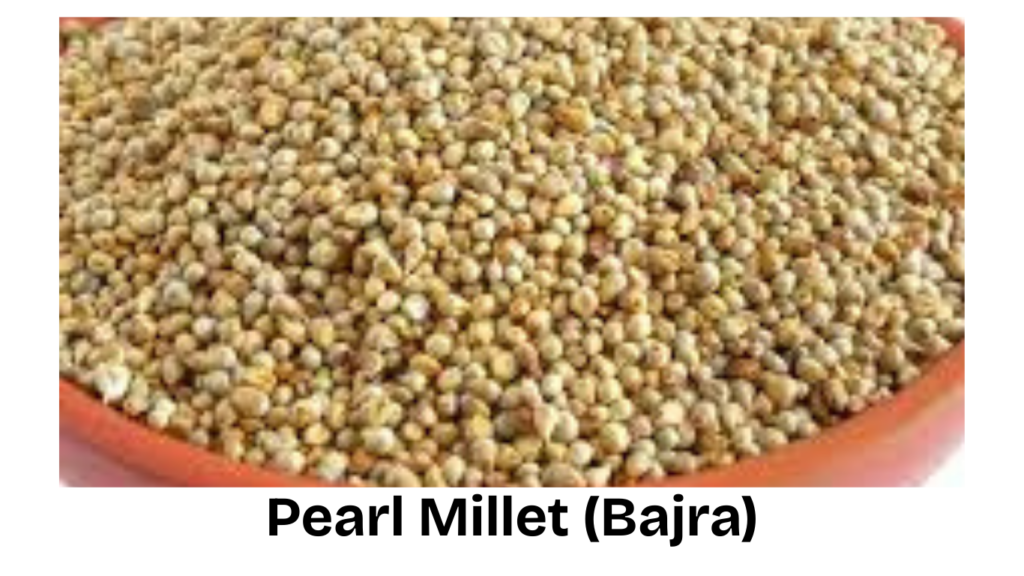
Pearl millet, scientifically known as Pennisetum glaucum, is a powerhouse grain celebrated across India by many names—Bajra in Hindi, Kambu in Tamil, Sajjalu in Telugu, Sajje in Kannada, and Kambam in Malayalam. Also called bulrush or cattail millet, this ancient cereal has nourished generations with its rich nutritional profile and remarkable resilience in arid climates.
It’s rich in protein and fiber, making it beneficial for digestive health. Pearl millet thrives in arid and semi-arid climates, particularly in regions like Rajasthan in India and West Africa. Traditional dishes such as bajra khichdi or bajra roti highlight its versatility and flavor.
2.2 Finger Millet (Ragi)
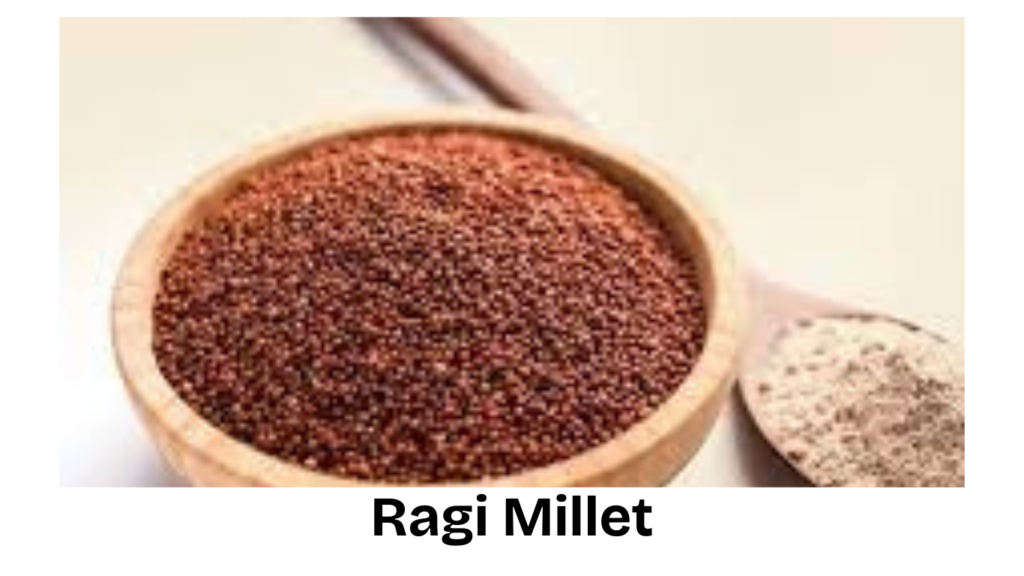
Finger millet, scientifically known as Eleusine coracana, is a highly nutritious grain commonly known as ragi across much of India. Its versatility and health benefits have earned it a cherished spot in kitchens from north to south, and it goes by many regional names. In Tamil, it’s called Kezhvaragu, Kelvaragu, or Keppai; in Telugu, Ragula, Chodi, and Taidalu; in Hindi, Ragi, Mandua, Marawah; in Marathi, it’s Nachni; in Oriya, Mandia; in Kannada, simply Ragi; in Malayalam, Muthari; in Bengali, Marwa; and in Himachal Pradesh, Kodra. Whether steamed, sprouted, or roasted, finger millet is not just a grain—it’s a tradition rooted in wellness, bridging diverse Indian cultures with its earthy taste and impressive nutrition.
Finger millet, or ragi, is often considered a superfood due to its exceptional nutritional value. Packed with calcium and antioxidants, ragi is a fantastic choice for those looking to boost their bone health. It can be prepared in numerous ways – from ragi porridge for breakfast to ragi dosa for dinner, its nutty flavor makes it a beloved ingredient in many cultures.
2.3 Foxtail Millet (Kangni)
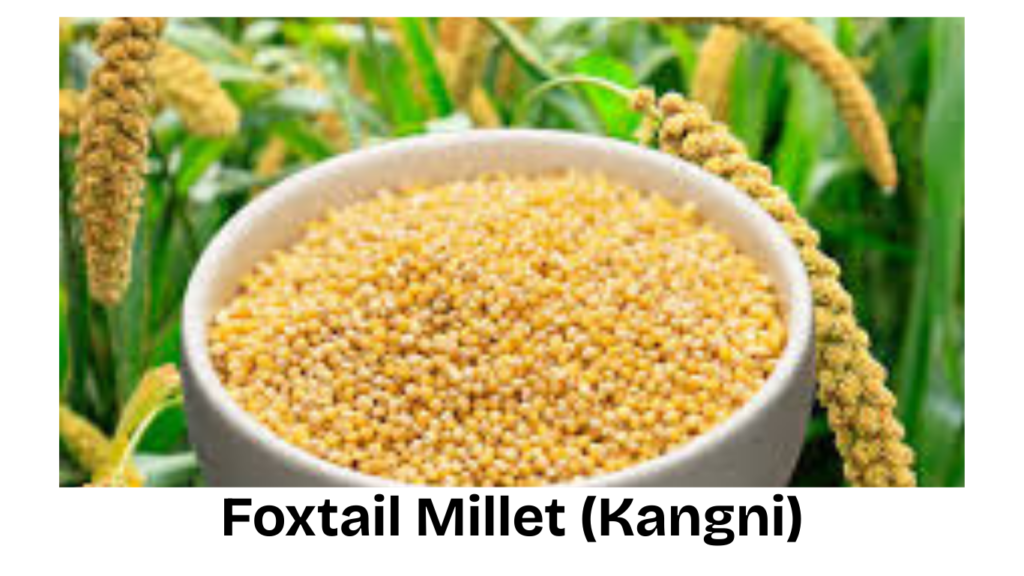
Foxtail millet, one of the oldest cultivated millets, is cherished across India under various names—Kangni in Hindi and Punjabi, Navane in Kannada, Thinai in Tamil, Kang in Gujarati, Rala in Marathi, Korralu in Telugu, Thina in Malayalam, and Kaon in Bengali. With its subtly sweet flavor and impressive dietary fiber content, foxtail millet is a natural choice for those aiming to manage blood sugar levels. From soft porridges to sticky rice-like dishes, this ancient grain lends itself beautifully to a variety of recipes, offering both taste and nutrition in every bite.
2.4 Proso Millet (Barri / Common Millet)
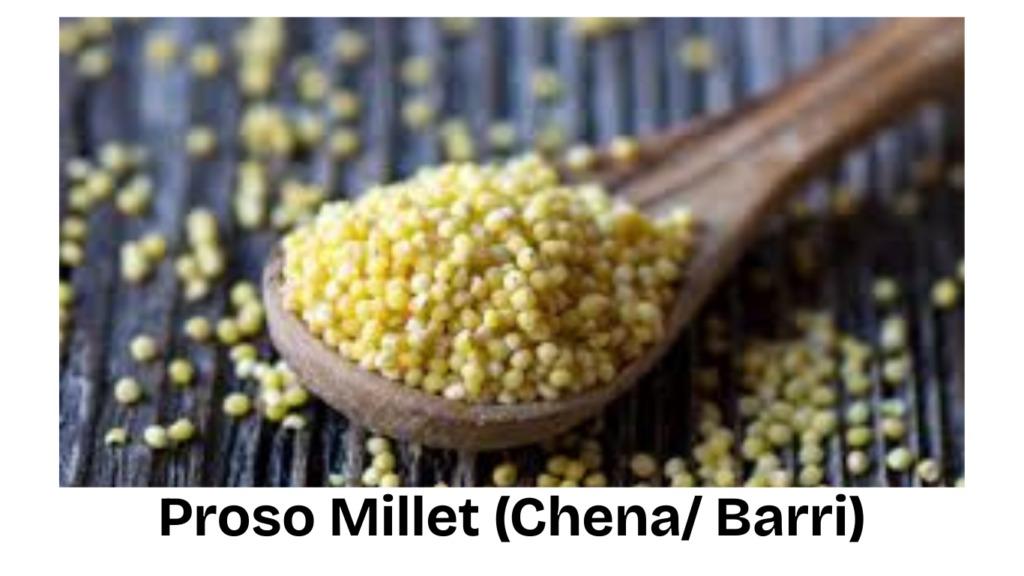
Proso millet, or Common millet, is a nutritious ancient grain packed with B vitamins, iron, and magnesium, making it great for energy, heart health, and diabetes management. In India, it’s known by different names like Barri (Hindi), Panivaragu (Tamil), Varigalu (Telugu), Baragu (Kannada), and Paniyara (Malayalam). Grown in dry regions with minimal water, it’s an eco-friendly crop cultivated in states like MP, UP, Tamil Nadu, Karnataka, and Andhra Pradesh. Proso millet is easily available in local stores and online, and can be used in Indian dishes like upma, pongal, khichdi, or even as a rice substitute, making it a smart and healthy choice for daily meals.
2.5 Barnyard Millet (Sanwa)
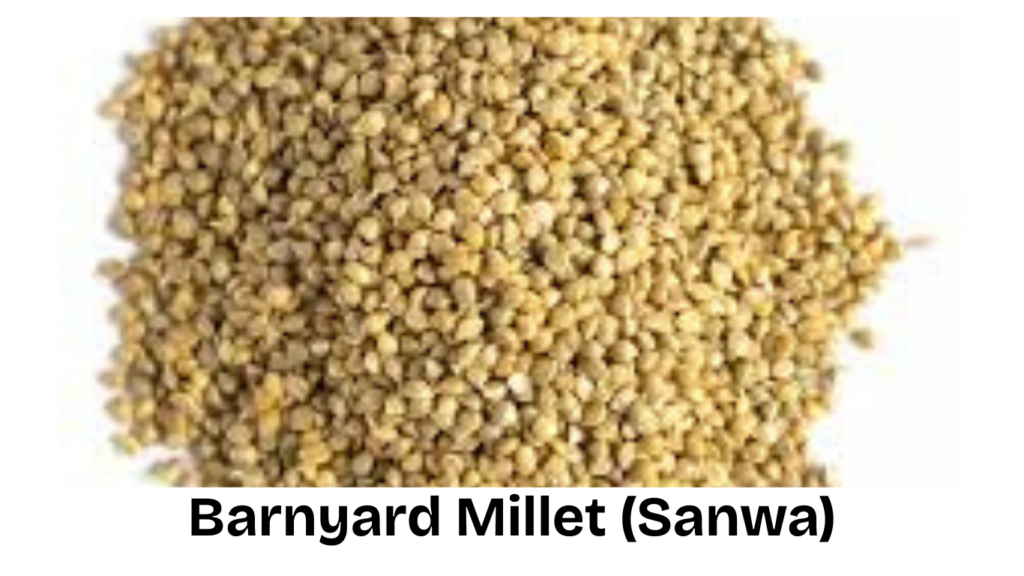
Barnyard millet, a fiber-rich and low-calorie grain, is gaining popularity in India for its role in weight management and diabetes control. Known as Sanwa (Hindi), Kuthiraivali (Tamil), Udalu (Telugu), Oodalu (Kannada), and Kavadapullu (Malayalam), this millet has been part of traditional Asian diets for centuries. It cooks quickly and can be used whole or as flour in dishes like idli, dosa, rotis, or even upma. Its mild, nutty flavor blends well into everyday meals, making it a healthy and tasty alternative to rice or wheat.
2.6 Sorghum (Jowar)
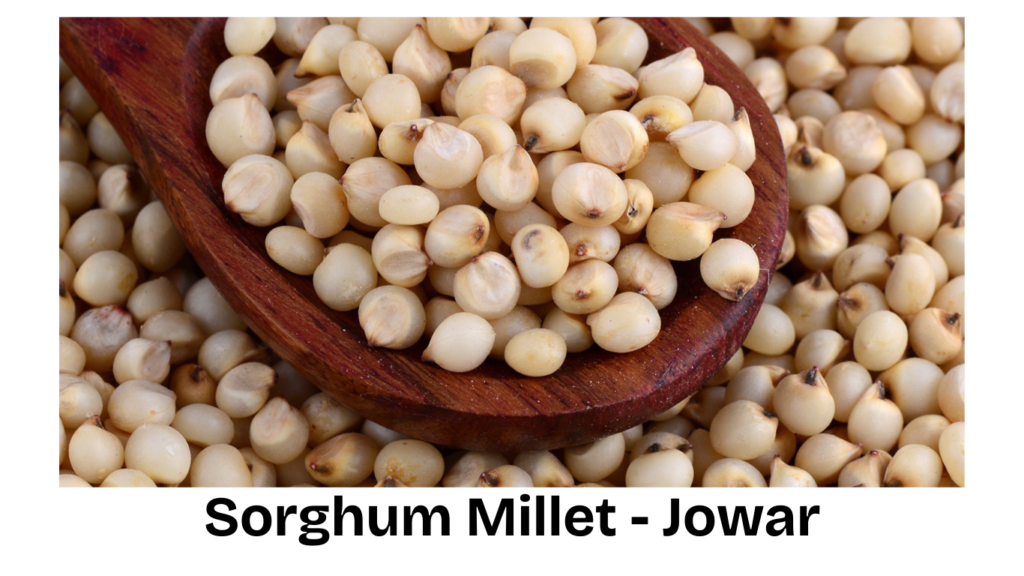
Sorghum, also known as Jowar, is a super grain with the scientific name Sorghum bicolor. It’s packed with antioxidants, iron, and fiber, making it great for digestion, weight management, and heart health. Super versatile in the kitchen, you can use it to make soft rotis, wholesome porridge, crunchy popped snacks, or even as a gluten-free flour alternative. Healthy and hearty, it’s a smart choice for everyday meals!
2.7 Kodo Millet (Kodon)
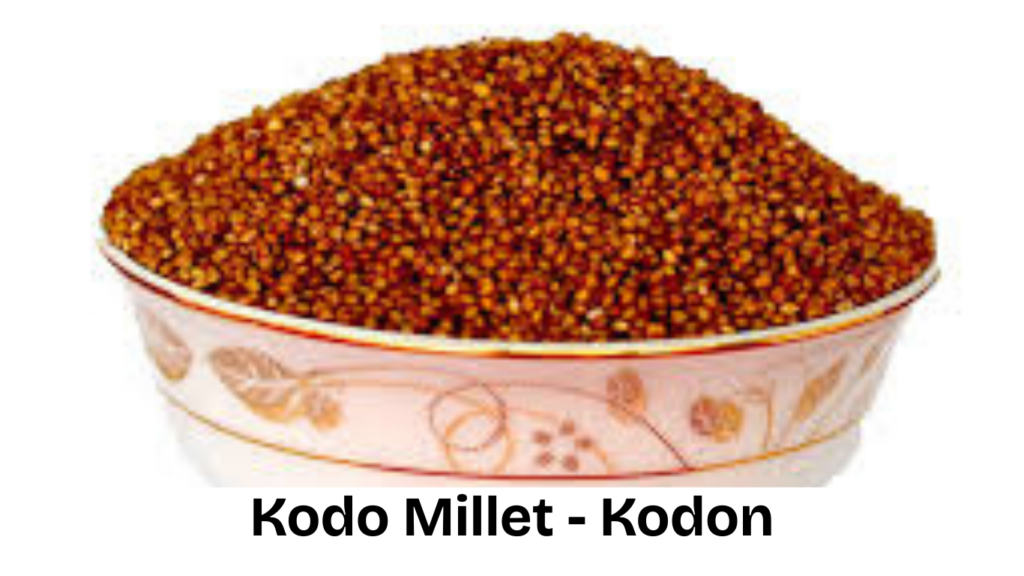
Kodo Millet, also known as Kodon (Paspalum scrobiculatum), is a tiny grain with big health benefits. It’s rich in protein and fiber, which helps with digestion and keeps cholesterol levels in check. Easy to cook and super filling, it’s a great choice for dishes like pongal, dosa, and even millet biryani. A tasty and healthy twist to your regular meals!
2.8 Little Millet (Kutki)
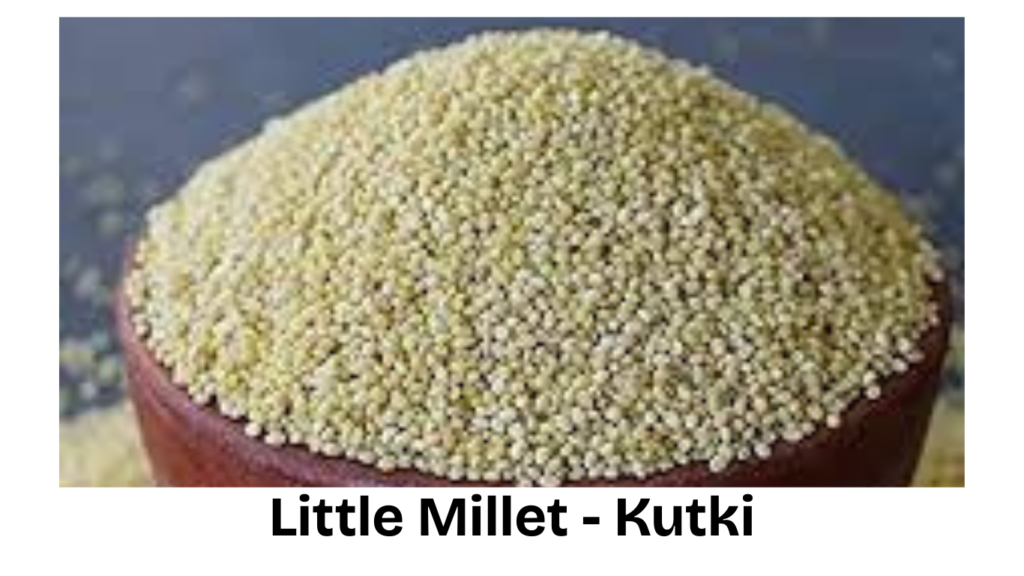
Little Millet, scientifically known as Panicum sumatrense, is a nutrient-packed grain that’s perfect for everyday meals. Loaded with B vitamins, iron, and zinc, it helps boost immunity and keeps your energy levels up. You can use it as a healthy rice replacement, whip up a comforting khichdi, or even try it in traditional desserts for a wholesome twist!
Minor Millets (Less Common but Nutritious)
- Browntop Millet: Good for weight management
- Fonio Millet: Rich in amino acids, popular in Africa
- Guinea Millet: Drought-resistant, used in arid regions
3. Health Benefits of Millets
3.1 Nutritional Advantages
Millets are nutritional powerhouses. Compared to grains like wheat, millets contain more protein, fiber, and essential amino acids. They are excellent for those aiming for a balanced diet and can aid in weight management due to their higher fiber content, keeping you fuller for longer. Additionally, their low glycemic index helps in managing blood sugar levels.
3.2 Antioxidant Properties
Millets contain a variety of antioxidants, which contribute to disease prevention. These bioactive compounds combat oxidative stress in the body and may reduce the risk of chronic diseases. Ongoing research is unveiling more about how these grains can support overall health, making them a worthy addition to your pantry.
3.3 Millets and Chronic Conditions
Individuals with diabetes can significantly benefit from millets due to their low glycemic index and high fiber content, which can help in controlling blood sugar levels. Additionally, millets are heart-healthy grains that promote cardiovascular wellness. Incorporating these grains into your diet may also help prevent conditions like obesity and metabolic syndrome.
3.4 Who Benefits from Including Millets in the Diet?
Millets are beneficial for people of all age groups—from children to the elderly—thanks to their impressive nutritional profile. They are especially good for:
- Diabetics: Millets have a low glycemic index, which helps regulate blood sugar levels.
- People aiming for weight loss: Being high in fiber and low in calories, millets keep you full longer and support healthy weight management.
- Heart patients: The presence of magnesium, potassium, and antioxidants supports heart health and reduces bad cholesterol.
- Those with gluten intolerance: Millets are naturally gluten-free, making them a safe and nutritious option for people with celiac disease or gluten sensitivity.
- Children and adults: Rich in protein, iron, calcium, and B vitamins, millets promote overall growth, brain function, and energy.
- Elderly people: Easy to digest and good for bone health due to their calcium and phosphorus content.
- Fitness enthusiasts: Millets provide slow-releasing energy, making them ideal for pre- or post-workout meals.
In short, millets are a smart, sustainable, and health-friendly choice for anyone looking to improve their diet naturally.
4. Cooking and Incorporating Millets into Your Diet
4.1 Cooking Techniques for Different Millets
Each type of millet requires slightly different cooking methods. Typically, a 1:2 millet-to-water ratio works well, but adjusting based on preference is key. Simple techniques include boiling and steaming. To avoid mushiness, avoid overcooking millets and keep an eye on cooking times.
4.2 Millet-Based Recipes
- Breakfast ideas: Try a warm bowl of ragi porridge topped with fruits, or a savory bajra dosa.
- Lunch and dinner recipes: Whip up a hearty foxtail millet salad or a proso millet stir-fry.
- Snacks and desserts: Create light barnyard millet bars or bake muffins using pearl millet flour for a delicious treat.
4.3 Pairing Millets with Other Ingredients
Millets pair wonderfully with a variety of ingredients. Think legumes, seasonal vegetables, and spices to enhance flavors. They are great for meal planning as they can change the character of a dish. Try mixing them with grains like quinoa or incorporating them into soups for a nutrient boost.
5. Economic and Environmental Impact of Millets
5.1 Contributions to Smallholder Farming
Millets are crucial for supporting rural economies. They require less investment compared to high-yield crops, making them ideal for small-scale farmers. By providing a livelihood for local communities, millets help uplift rural areas economically.
5.2 Environmental Sustainability of Millet Cultivation
Growing millets contributes significantly to soil health. Their deep-root systems minimize soil erosion and reduce the need for chemical fertilizers. As drought-resistant crops, millets are an integral part of sustainable agricultural practices, helping to preserve biodiversity.
5.3 Future Prospects and Trends
As awareness grows about the benefits of millets, research and development in cultivation methods are on the rise. Movements advocating for millet consumption are gaining traction globally. As we look to the future, it seems likely that millets will find an even more prominent place in the food industry.
Conclusion
Millets are more than just an ancient grain; they are a sustainable, nutritious choice that can fit beautifully into modern diets. From their health benefits to their role in sustainable agriculture, integrating millets into our meals is not just a smart choice for our health but also for our planet. So, why not explore the variety of millets available and add a little grainy goodness to your plate today?
Frequently Asked Questions (FAQs)
What are the health benefits of including millets in your diet?
Millets offer numerous health benefits, including improved digestion, better blood sugar control, and weight management due to their high fiber content.
How do I cook different types of millets?
Cooking millets typically involves rinsing them and then boiling in water, typically using a ratio of 1 part millet to 2 parts water, adjusting as needed for texture preference.
Are millets gluten-free?
Yes, all types of millets are naturally gluten-free, making them an excellent choice for those with gluten sensitivities or celiac disease.
What are some creative recipes using millets?
Creative recipes include millet stir-fries, salads, breakfast porridge, and even smoothies or baked goods, showcasing their versatility in the kitchen.
How can millets contribute to sustainable agriculture?
Millets are drought-resistant and require fewer inputs like fertilizers and water, making them environmentally friendly crops that contribute to biodiversity and sustainable farming practices.
Visit: Lemon Pickle